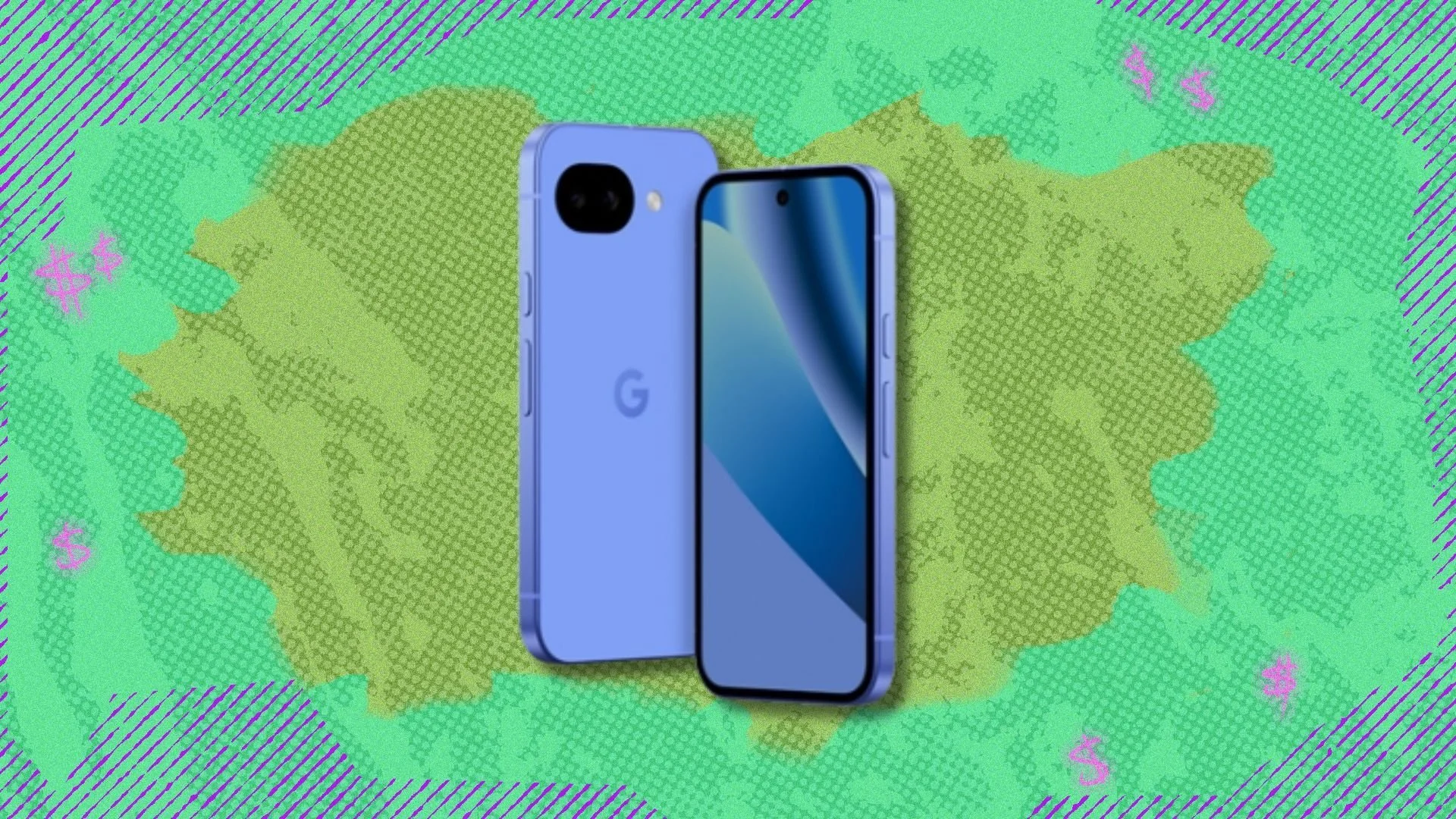
T-Mobile's latest promotional push targets budget-conscious smartphone buyers with a straightforward proposition: switch to its Essentials Plan with a new line, and walk away with a Google Pixel 10a without paying the device's $499.99 retail price. The offer, live as of March 16, represents the carrier's continued effort to compete in the mid-tier market segment where customer acquisition costs remain high but lifetime value justifies aggressive subsidies.
Understanding the True Cost Structure
While the Pixel 10a carries no upfront cost under this promotion, the economics work differently than a traditional discount. T-Mobile's Essentials Plan starts at $60 per month for a single line (before taxes and fees), positioning it as the carrier's entry-level unlimited option. Over a typical 24-month device payment period, you're looking at $1,440 in service costs—meaning the "free" phone effectively costs around $1,940 total when accounting for the plan commitment.
This matters because competing carriers offer similar unlimited plans in the $50-70 monthly range. The value proposition hinges on whether T-Mobile's network coverage and plan features align with your usage patterns. The Essentials Plan includes unlimited talk, text, and data, but lacks premium perks like mobile hotspot allowances, HD video streaming, or international roaming that higher-tier plans provide.
Why the Pixel 10a Fits This Strategy
Google's Pixel 10a occupies a specific niche in the Android ecosystem. At $500, it undercuts flagship devices by $300-500 while delivering core Pixel experiences: clean Android software, guaranteed OS updates, and computational photography that punches above its price class. The phone's most notable design evolution—a completely flat camera array—addresses a persistent complaint about previous models that wobbled on flat surfaces.
The device won't turn heads at a tech conference. It lacks the processing power for intensive gaming, the display refresh rates that enthusiasts demand, or the build materials that signal premium status. But for users whose smartphone needs center on communication, web browsing, social media, and casual photography, the performance gap between this and $1,000+ flagships narrows considerably in daily use.
Market Context: Carrier Subsidies Return
This promotion reflects a broader industry shift back toward device subsidies after years of separating hardware costs from service plans. Between 2015-2020, carriers largely moved away from "free phone" offers, instead promoting transparent device payment plans. That transparency benefited consumers who kept phones longer than two years, but it also reduced switching friction and increased churn rates.
Now, with 5G infrastructure investments demanding subscriber growth, carriers are reviving subsidy models with modern twists. Unlike the contract-locked subsidies of the 2000s, current offers typically use bill credits spread over 24-36 months. Leave early, and you owe the remaining device balance—a softer lock-in than early termination fees, but still effective at reducing churn.
The Competitive Landscape
T-Mobile isn't alone in this approach. Verizon and AT&T regularly offer similar deals on mid-range devices, though often requiring their more expensive unlimited plans. The Essentials Plan requirement here actually makes T-Mobile's offer more accessible than competitors who gate free devices behind $80-90 monthly plans. For single-line users especially, this creates a genuine value opportunity if T-Mobile's coverage works in your area.
Who Benefits Most From This Deal
The ideal candidate for this promotion has specific characteristics. You're currently using a carrier other than T-Mobile, or you're adding a line for a family member. Your smartphone needs are practical rather than aspirational—you want reliability and software support, not bleeding-edge specs. You're comfortable with T-Mobile's network coverage in your primary usage areas, which has improved dramatically but still trails Verizon in rural coverage.
This deal makes less sense if you're already a T-Mobile customer (you'd need to add a line, not upgrade), if you frequently travel internationally and need robust roaming, or if you're the type who upgrades phones annually. The Pixel 10a's value proposition assumes you'll use it for at least two years, allowing the lack of upfront cost to translate into genuine savings.
Technical Considerations Often Overlooked
The Pixel 10a ships with guaranteed Android OS updates for three years and security patches for five—a significant advantage over many budget Android devices that receive sporadic updates at best. This extended support window means the phone remains secure and functional longer, directly impacting total cost of ownership. A $500 phone that's obsolete in 18 months costs more in practical terms than a $700 device that remains viable for four years.
Storage capacity deserves attention too. Budget devices often skimp here, and while the article doesn't specify the included storage tier, Pixel 10a models typically start at 128GB. For users who rely heavily on cloud storage and streaming services, this suffices. Heavy local media users should verify the storage configuration before committing.
Reading the Fine Print
Carrier promotions invariably include conditions that affect real-world value. The "new line" requirement means existing single-line T-Mobile customers can't simply upgrade—they'd need to add a second line, changing the cost calculation entirely. Port-in requirements, if any, would necessitate switching from another carrier rather than activating a new number. Credit checks typically apply, potentially affecting the terms for customers with limited credit history.
The promotion's duration matters too. "As of March 16" suggests an ongoing offer, but carrier deals frequently expire without warning or transition to less favorable terms. Anyone seriously considering this should verify current availability and lock in terms quickly rather than assuming the offer will persist indefinitely.