Learning Python consistently ranks among the most common struggles for aspiring developers. The problem isn't lack of resources—it's the gap between intention and execution. Most people approach Python learning with enthusiasm but without structure, leading to sporadic practice sessions that yield minimal progress.
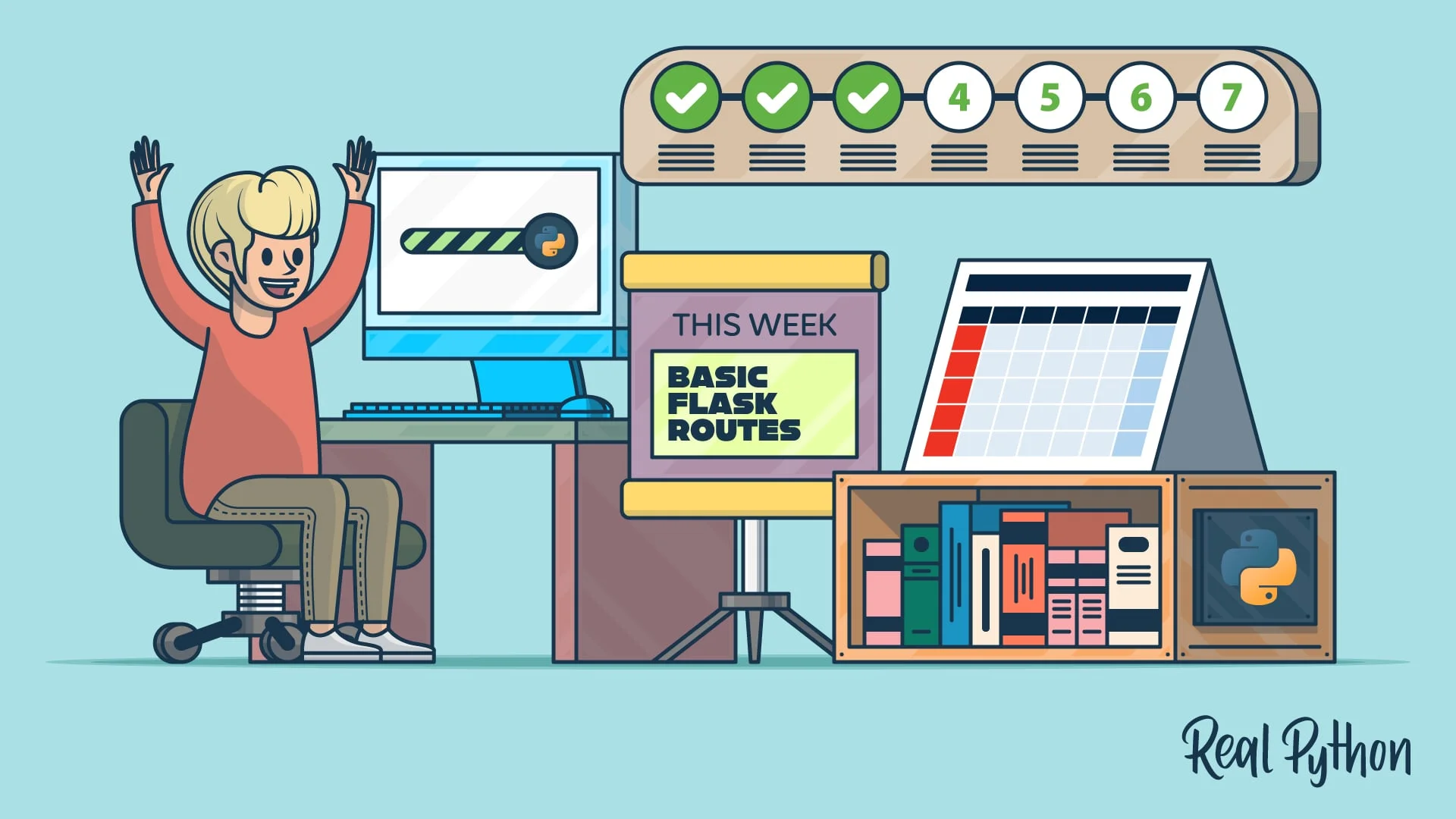
A new framework addresses this challenge by breaking down the learning process into a repeatable seven-day cycle. Rather than relying on motivation or willpower, the system uses behavioral design principles to create sustainable study habits. The approach centers on three core components: goal clarity, realistic scheduling, and habit formation techniques.
Why Traditional Learning Approaches Fail
The typical Python learner faces a predictable pattern. They start with energy, work through a few tutorials, then gradually lose momentum. Within weeks, practice becomes irregular. Within months, they've stopped entirely.
The root cause isn't laziness or lack of ability. It's structural. Most learning plans fail because they're built on vague aspirations rather than concrete actions. "Learn Python" or "get better at coding" sound like goals, but they don't translate into specific behaviors. When you sit down to study, you waste cognitive energy deciding what to do instead of actually doing it.
This decision fatigue compounds over time. Each study session requires fresh motivation to overcome the friction of choosing a topic, finding materials, and determining how long to practice. Eventually, the mental overhead becomes too high, and people quit.
The Seven-Day Framework
The solution involves compressing your planning horizon. Instead of mapping out months of learning, you focus exclusively on the next week. This timeframe is short enough to feel manageable but long enough to produce measurable progress.
The framework operates in three phases. First, you define a specific outcome for the week—not "study functions" but "write three programs that use functions to solve specific problems." Second, you map those outcomes onto your actual calendar, accounting for work schedules, family commitments, and realistic energy levels. Third, you implement behavioral triggers that reduce the friction of starting each session.
This approach draws from implementation intention research, which shows that people who specify when and where they'll perform a behavior are significantly more likely to follow through. The format is simple: "When X happens, I will do Y in location Z." For Python learning, this might translate to "When I finish dinner on Tuesday, I will code for 30 minutes at my desk."
What Makes This Different From Generic Study Advice
Most productivity advice treats all learning as identical. This framework recognizes that programming has unique characteristics that require specific strategies.
Programming demands active problem-solving, not passive consumption. You can't learn Python by reading about it—you need to write code, encounter errors, and debug solutions. The seven-day system accounts for this by emphasizing hands-on practice over tutorial watching. Each day's plan includes specific coding tasks, not just topics to review.
The framework also addresses the nonlinear nature of programming progress. Some concepts click immediately; others require multiple attempts. Rather than forcing a rigid curriculum, the system allows for adjustment within the weekly structure. If you struggle with a concept on Wednesday, you can extend practice on Thursday without derailing the entire plan.
The Role of Specificity in Skill Development
Goal-setting research consistently demonstrates that specific targets outperform vague intentions. When Locke and Latham analyzed decades of studies, they found that precise goals increase both effort and persistence. The mechanism is straightforward: specificity eliminates ambiguity about what constitutes success.
For Python learners, this means defining weekly goals in terms of concrete outputs. "Understand list comprehensions" is too abstract. "Write five different list comprehensions that filter and transform data" gives you a clear target. You know exactly when you've succeeded, and you know what to do during each practice session.
This specificity also enables better self-assessment. At the end of the week, you can objectively evaluate whether you achieved your goal. This feedback loop helps you calibrate future goals—if you consistently overshoot, you can increase difficulty; if you consistently fall short, you can adjust expectations.
Practical Implementation Considerations
The framework requires minimal tools: a calendar application and a method for tracking progress. The emphasis is on simplicity rather than elaborate productivity systems. Complex tracking mechanisms often become obstacles themselves, adding friction instead of removing it.
Time commitment is deliberately modest—30 to 45 minutes daily. This duration is long enough for meaningful practice but short enough to fit into most schedules. Research on deliberate practice suggests that focused, consistent sessions outperform occasional marathon study sessions. Your brain consolidates learning during rest periods, making daily practice more effective than weekend cramming.
The system also acknowledges that life interferes with plans. Rather than treating missed sessions as failures, the framework builds in flexibility. If you miss Monday's session, you adjust Tuesday's plan rather than abandoning the week. This resilience prevents the all-or-nothing thinking that derails many learning attempts.
Who Benefits Most From Structured Scheduling
This approach particularly helps beginners and early intermediate learners who feel overwhelmed by Python's scope. When you're new to programming, the sheer volume of concepts—data types, control flow, functions, classes, libraries—can paralyze decision-making. A weekly structure removes that paralysis by narrowing focus to a single, manageable objective.
The framework also serves people who've tried learning Python before but couldn't maintain consistency. If you've accumulated half-finished courses or abandoned projects, the problem likely isn't your ability—it's your system. A repeatable weekly structure provides the scaffolding that motivation alone can't sustain.
Long-Term Skill Development
The seven-day cycle isn't just about one week of progress. It's a template you repeat, gradually increasing complexity as your skills develop. After completing several cycles, the planning process itself becomes faster. You develop intuition about realistic goals and effective practice structures.
Over time, the external structure becomes internalized. What initially requires deliberate planning eventually becomes automatic. This transition from conscious effort to habit represents the ultimate goal—not just learning Python, but becoming someone who codes regularly without needing elaborate systems to maintain the behavior.
The key insight is that consistency precedes competence. You don't need to feel motivated every day; you need a system that works regardless of motivation. By focusing on one week at a time, defining specific outcomes, and reducing friction through behavioral design, you transform Python learning from an aspirational goal into a sustainable practice.