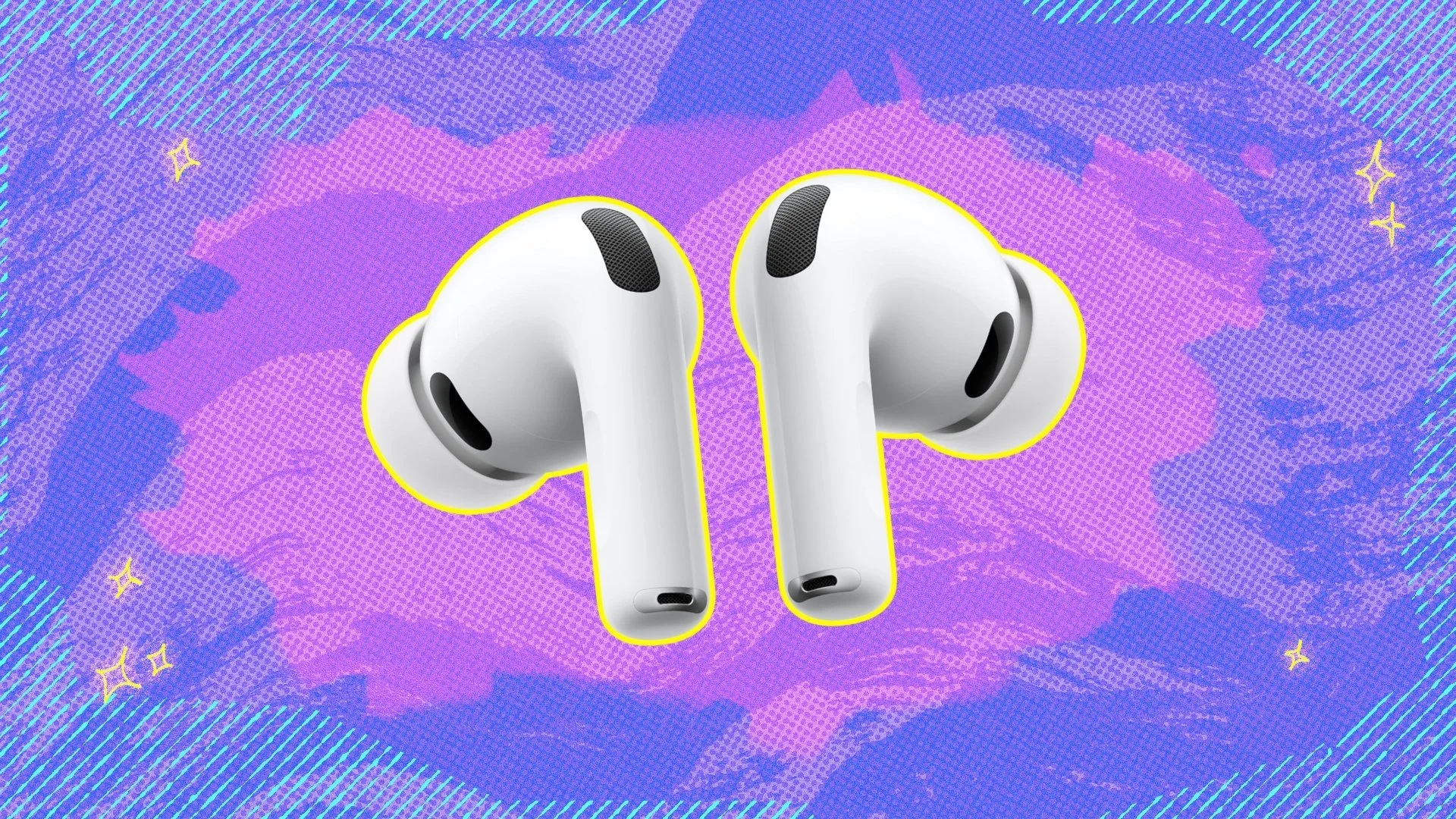
Amazon's pre-Spring Sale discount on Apple's AirPods Pro 3 brings the premium earbuds down to $199.99, marking a $49 reduction from their $249 list price. The 20% discount represents one of the more substantial price cuts we've seen on Apple's latest Pro model since its release, though it's worth examining what you're actually getting at this price point.
What Makes the Pro 3 Different
Apple's third-generation AirPods Pro introduced a significant leap in active noise cancellation technology, doubling the background noise reduction compared to the Pro 2. This isn't just marketing speak—the improvement comes from a redesigned H2 chip working in tandem with updated microphone arrays that sample external sound 48,000 times per second. For frequent travelers or anyone working in noisy environments, this translates to noticeably better isolation without the pressure sensation that plagued earlier ANC implementations.
The acoustic overhaul extends beyond noise cancellation. Apple rebuilt the driver architecture with a custom amplifier and a new low-distortion driver that handles bass frequencies more accurately. In practical terms, this means less muddiness in complex tracks and better separation between instruments. The difference is most apparent in bass-heavy genres and orchestral recordings where previous models would occasionally blur details.
The Health Monitoring Angle
The built-in heart rate monitoring represents Apple's continued push into health tracking beyond the Apple Watch. Using optical sensors similar to those in fitness trackers, the Pro 3 can monitor your heart rate during workouts and sync that data with the Health app on your iPhone. This integration allows the earbuds to calculate calorie burn more accurately than step-counting alone.
However, there's a practical limitation here. The heart rate monitoring only functions during active use—you can't wear these overnight for sleep tracking like you might with a watch. The feature works best for runners, cyclists, or gym-goers who prefer not to wear a watch during exercise. If you already own an Apple Watch, the redundancy might not justify the upgrade alone.
Battery Life Reality Check
Apple claims up to eight hours with ANC enabled or ten hours in transparency mode when using the Hearing Aid feature. These numbers deserve context. The eight-hour figure represents a meaningful improvement over the Pro 2's six hours, but real-world usage typically falls short of manufacturer claims. Expect closer to six to seven hours with ANC at moderate volume levels, which still comfortably covers most workdays or long flights.
The transparency mode battery extension is tied specifically to the Hearing Aid feature, which uses less processing power than full ANC. This mode amplifies external sounds for users with mild to moderate hearing loss, essentially turning the earbuds into FDA-cleared hearing assistance devices. It's a niche feature that won't apply to most users, but it demonstrates Apple's broader accessibility strategy.
Pricing Context and Alternatives
At $199.99, the AirPods Pro 3 sit in a competitive space. Sony's WF-1000XM5 earbuds typically sell for around $230 and offer comparable ANC with better battery life. Bose's QuietComfort Ultra Earbuds, usually priced at $249, provide superior noise cancellation but lack the seamless Apple ecosystem integration. The discount narrows the gap between Apple's offering and these alternatives, making the Pro 3 more compelling if you're already invested in iPhone, iPad, or Mac devices.
The 20% discount also brings the Pro 3 closer to the price point where the standard AirPods 3 (without Pro features) typically sell for around $169. That $30 difference makes the Pro model's ANC and customizable ear tips a more reasonable upgrade for most users.
Who Should Jump on This Deal
This discount makes the most sense for three groups. First, anyone still using the original AirPods Pro from 2019 will notice substantial improvements across every metric—battery life, sound quality, ANC performance, and connectivity stability. Second, Android users considering a switch to iPhone might find this a good entry point into Apple's audio ecosystem, though you'll lose some functionality when paired with non-Apple devices. Third, fitness enthusiasts who want consolidated health tracking without wearing a watch during workouts get a unique value proposition here.
If you own the AirPods Pro 2, the upgrade calculus is tougher. The improvements are incremental rather than revolutionary. Unless the enhanced ANC or heart rate monitoring addresses a specific pain point, waiting for the Pro 4 (likely 18-24 months away) makes more financial sense.
The Spring Sale Timing Question
Amazon's official Spring Sale hasn't started yet, which raises the question of whether deeper discounts might appear once the event launches. Historical data from previous Amazon sales events suggests that Apple products rarely see additional markdowns during the sale itself—the pre-sale prices typically represent the best available deals. Apple maintains tight control over its pricing, and retailers have limited margin to work with.
The "won't stick around for long" warning in promotional materials isn't just urgency marketing. Apple deals at this discount level typically last 24-72 hours before reverting to list price or selling out. If you're planning to buy regardless, waiting for a potentially better deal carries real risk of missing this price entirely.